

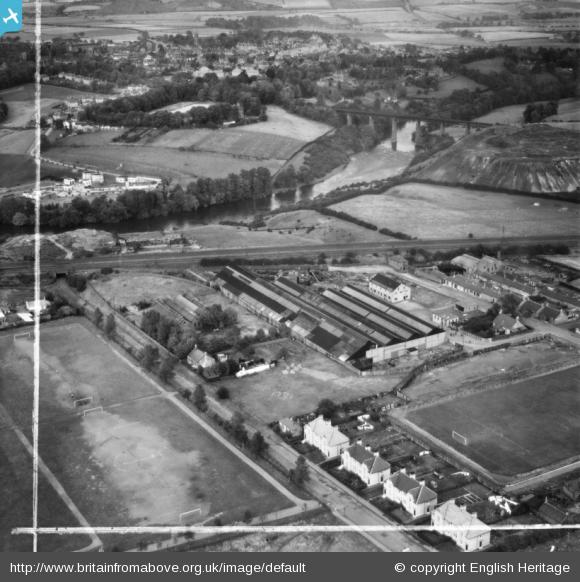
Now, it wouldn’t be the same unless the Blantyre Project could expand on this detail and tell some interesting stories about the structure. You may have read already about the Blantyre girl, whom in 1910 was held to ransom at the top of the viaduct. The story was told by the Blantyre Project here http://blantyreproject.com/2013/08/23/craighead-girl-held-to-ransom/
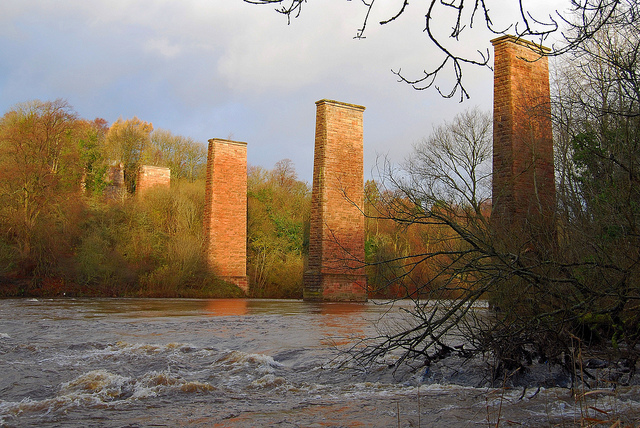
The girl’s fall was witnessed by a number of men in the vicinity, and the young woman was quickly rescued and taken to the River Bank, then later to home. At the River bank the Police and the Doctor were quickly on the scene, ruling out any foul play. The doctor was amazed that not only the girl had fallen from such a height and survived, but was astonished to see no broken bones, nor bruising. Later inquiries by a reporter recorded that Elizabeth left home at 6.45am where she shared a house with her widowed mother and two brothers. She was unemployed and at the start of the day had gone to a local bus garage where she was formerly employed in the hope of securing a day’s work. This was not to be. She was next seen at the Craighead Viaduct spotted by some men who were searching nearby for coal. They noticed the girl seemed distressed, but was alone, crossing and recrossing the bridge several times before appearing to lose her footing. It was not summarised what state of mind Elizabeth was in, but at least the story ends with the safe return of Elizabeth back home.
Craighead viaduct piers were designed by Sir William Arrol. It was by no means his best or most famous endeavour. Sir William went on to design some iconic structures like the Tay Bridge, The Forth Bridge and London’s Tower Bridge!
Source: The Dundee Courier 05 October 1933.