


Polish immigrant worker Dionysius Onufri Marianski intended to take part in the festivities and had saved quite a bagful of coins to scatter as a “scramble” for the children. (Sidenote: In Scotland, a “scramble” was quite common where guests would throw loose change for children to run after and pick up at weddings, although seems to be a dying tradition these days). A nice and harmless gesture you may think? But you would be wrong.
For a full hour prior to the wedding party arriving, Dionysius wickedly and purposely boiled the coins on his red hotcamp fire to the point of them ready to melt. Camped outside the tavern, he waited for the wedding procession to arrive into the Barnhill hamlet and with the aid of tongs, threw coins one by one towards the parade and the unsuspecting, gleeful children. Many of the children were there solely in the hope of a scramble and their delight to see so many coins falling to the pavement had them running and shouting in every direction. However, not with excitement, but in terror and pain.
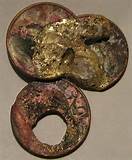
With so many people affected, the court was packed when the case quickly was heard. The tales of the children and their injuries were explained first and Blantyre residents craved a guilty verdict. Mr Dykes the judge was believed to be overwhelmed by the evidence pointing towards a guilty verdict, but of course the defence still had to take place. During late January 1866, Dionysius stepped up and explained this was actually a polish custom and that no law existed in Scotland to prevent it. Fearing this to be the case, the court quickly adjourned to 3rd February 1866, a decision made by Mr Brown, the court writer. The custom needed to be investigated.
So, in early February, when court resumed, polish witnesses were supplied by defence to provide proof of the Eastern European custom which was acceptable there to give the children a fright, as customary in Poland. The judge maintained though that such customs did not have a law in Scotland and that more endeavours to put a stop to it would need to be considered Nationwide. The case caused quite a stir as the Judge eventually swayed towards Marianski simply having a day out at a wedding and doing what he thought was usual and normal.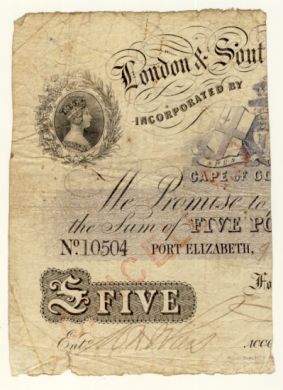
To everybody’s astonishment, and bucking the trend of Scots people envisaging Polish immigrants as poor, Marianski pulled out his wallet, promptly laid a £5 note on the judge’s desk and asked if he “could now leave”. He showed no remorse and seemed pleased at being able to cover the fine. Still strutting, he walked past each parent and offered each of the eight adults a £1 note to make up for his crime, in total more than the fine itself. None of the Blantyre residents accepted any monies, turning their back on him.
Dionysius was not seen again.
Source: Paisley Herald & Renfrewshire Advertiser 10th February 1866